The Foundation for Security and Development in Africa (FOSDA) has called on Civil Society Organizations (CSOs), Governments and Development Partners in the ECOWAS region to continuously work together and closely monitor Artisanal Small-scale Gold Mining (ASGM). FOSDA's call was made due to the rising incidence of illegal ASGM in the West Africa region and its potential to gain social capital and legitimacy within the host communities, facilitate illicit gold trade and contribute to conflict and instability. According to FOSDA, there are over 40 hotspots, transit points and crime zones related to the illicit gold economy in the region which together fuel violence, conflict and instability.
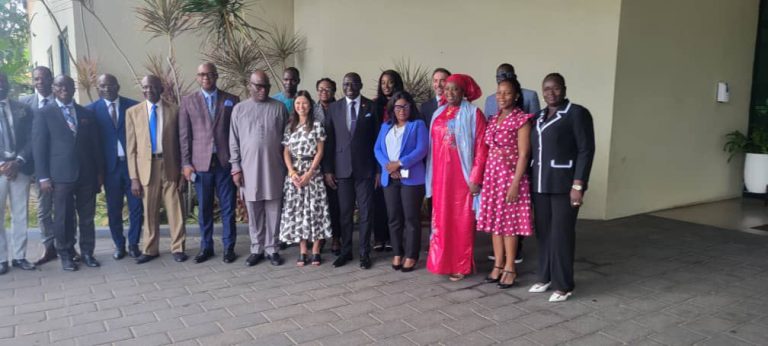
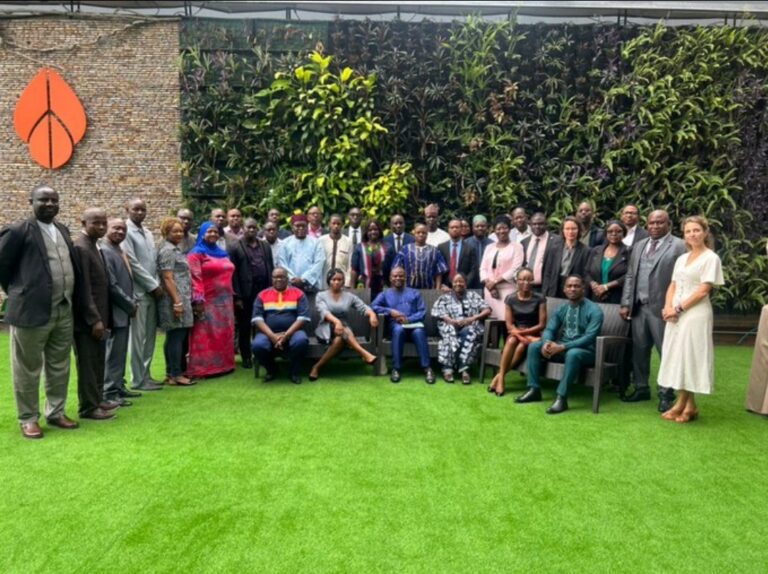
FOSDA made the call at the Capacity Building and Sustainability Workshop for members of the West Africa Research Network on Organized Crime (WARNOC). The meeting was co-convened by the Institute for Security Studies (ISS) and Global Initiative against Transnational Organized Crime (GI-TOC) in Abidjan, Cote D'ivorie with support from GIZ under the Organized Crime: West Africa Response to Trafficking (OCWAR-T) Project.
The meeting brought together CSO representatives from 15 member states who are working on Transnational Criminal research, programs, advocacy and campaigns. The meeting was held from 19th-20th July, 2023.
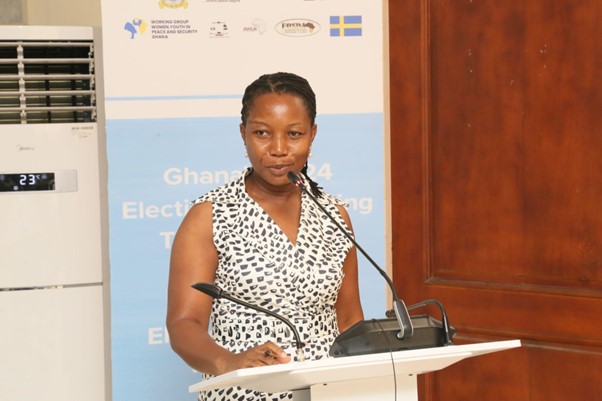
The Snr. Programmes Officer, Mr. Solomon Okai, who represented FOSDA at the meeting shared the Foundation's experience on its recent study on the gender implication of the formalization of ASGM and impacts on traditional governance structures in Ghana and Cote D'ivorie. He also shared FOSDA's upcoming project on Mining for Peace (M4P) project in mining communities in Ghana that could possibly host violent extremist and the goal of building resilience against violent extremism.
The capacity building focused on the intersections between crime and conflict with emphasis on understanding how crime can fuel conflict; addressing crime/conflict with sensitivity by appreciating that illicit economies also operate as livelihoods; indicators to analyse illicit economies' relationship to instability, and typologies of illicit economy contribution to conflict; and how responses to illicit economies can feed into conflict dynamics.
Additionally, FOSDA supported the position for a voluntary Change Team to make proposals for the sustainability structures of WARNOC.